100% polyester jacquardpatroon Kleurrijke Zuidoost-Aziatische sarongstof – duurzaam, levendig en gemakkelijk te onderhouden, ontworpen om zowel sch...
See Details


Nationale traditionele sarongstoffengids voor Zuidoost-Azië
Industrie nieuws-De “ nationale traditionele sarongstof ” in Zuidoost-Azië kan het best wofden begrepen als een familie van wikkeltextiel -Meestal sarong-lengte doeken gemaakt in kenmerkende technieken zoals batik , ikat , en liedket , each tied to specific countries, ceremonies, and weaving communities. Indonesian batik, for example, is formally recognized by UNESCO as intangible cultural heritage (inscribed in 2009). :contentReference[oaicite:0]{index=0}
Wat geldt als ‘sarongstof’ in Zuidoost-Azië
In Southeast Asia, “sarong” can mean either a tubular garment or a rectangular cloth wrapped and secured at the waist. The fabric is often decorated using batik or ikat methods, or woven as brocade-like luxury cloth (liedket). :contentReference[oaicite:1]{index=1}
Praktische maatvoering die je ook daadwerkelijk in winkels ziet
Maten variëren per land en kledingstijl, maar deze praktijkreferenties helpen je bij het correct kopen:
- Myanmar longyi: ongeveer 2 meter lang en 80 cm breed , commonly sewn into a cylinder. :contentReference[oaicite:2]{index=2}
- Cambodjaanse sampot chang kben (een omwikkeld, broekachtig laken): aangehaald als een rechthoekig doek ongeveer 3 meter lang en 1 meter breed . :contentReference[oaicite:3]{index=3}
- Zuid-Filipijnen malong: beschreven als ongeveer 4 meter lang en ~ 50 centimeter hoog (often tubular). :contentReference[oaicite:4]{index=4}
De drie hoekstenen “nationale traditionele sarongstoffen”
Als je een zelfverzekerde, cultureel gegronde match wilt met ‘Zuidoost-Aziatische nationale traditionele sarongstof’, zijn dit de drie technieken die je het vaakst tegenkomt in landen en formele kledingcontexten.
| Stof / techniek | Hoe het is gemaakt | Visueel signaal | Beste gebruiksscenario |
|---|---|---|---|
| Batik | Wasbestendig verven op doek; diepe motiefsymboliek | Scherpe motiefranden; herhalende symbolische patronen | Dagelijkse slijtage tijdens ceremonies; iconisch in Indonesië |
| Ikat | Weersta het verven van garens vóór het weven | Zachte “wazige” of gevederde patroonranden | Duurzame wikkeldoeken; erfgoed dat zich door de hele regio verspreidt |
| Songket | Handgeweven met extra inslag met metaaldraden | Glinsterende goud-/zilvermotieven (brokaateffect) | Bruiloften, staatsgelegenheden, formele kleding (Maleisische wereld) |
Indonesian batik is internationally recognized by UNESCO for its techniques, symbolism, and cultural role (inscribed in 2009). :contentReference[oaicite:5]{index=5} Ikat is widely described as a Southeast Asian-origin resist-dye method applied to yarns prior to weaving, producing its characteristic softened pattern boundaries. :contentReference[oaicite:6]{index=6} Songket is consistently defined as a handwoven textile with gold or silver threads, historically spread across the Malay world (including Indonesia, Malaysia, Brunei). :contentReference[oaicite:7]{index=7}
Hoe authentieke sarongstof versus toeristische prints te identificeren
U hoeft geen textielexpert te zijn: gebruik een paar controles met een hoog signaal die rechtstreeks verband houden met de manier waarop deze stoffen worden gemaakt.
Batik: zoek naar ‘vingerafdrukken’ van het proces, niet alleen naar motieven
- If a piece is marketed as heritage batik but the pattern looks perfectly uniform on both sides with no dye-depth variation, it may be a surface print rather than a resist-dyed cloth (batik is defined by technique and cultural practice, not just visual style). :contentReference[oaicite:8]{index=8}
- Ask for the technique: sellers who can describe wax-resist steps and motif meaning usually deal in higher-integrity work, consistent with UNESCO’s framing of batik as technique symbolism culture. :contentReference[oaicite:9]{index=9}
Ikat: de “onscherpte” is een kenmerk, geen fout
Ikat’s hallmark is that yarns are resist-dyed before weaving, so the pattern alignment naturally creates slightly feathered edges; a perfectly sharp, pixel-like ikat motif can indicate digital printing. :contentReference[oaicite:10]{index=10}
Songket: bevestig het weven van metaaldraad, niet metaalinkt
Songket is described as a handwoven fabric where metallic threads are inserted as supplementary weft, producing a true raised shimmer. If the shine disappears when you tilt it and the surface feels flat like ink, treat “liedket” as a marketing label rather than a weaving structure. :contentReference[oaicite:11]{index=11}
Landspecifieke voorbeelden die verwijzen naar ‘nationaal traditioneel’ gebruik
Zuidoost-Azië is divers, maar sommige combinaties zijn vooral stabiel als je voorbeelden van ‘nationale traditionele sarongstoffen’ wilt voor reizen, cadeaus of culturele kleding.
- Indonesië: Batik is a nationally emblematic textile tradition recognized by UNESCO (2009). :contentReference[oaicite:12]{index=12}
- Myanmar: De longyi (een sarongachtige omslagdoek) wordt veel gedragen; gebruikelijke referentiegrootte is ~2 m× 80 cm . :contentReference[oaicite:13]{index=13}
- Maleisische wereld (Maleisië / Brunei / delen van Indonesië): Songket is a signature ceremonial fabric woven with gold or silver threads. :contentReference[oaicite:14]{index=14}
- Cambodja: Traditionele gedrapeerde doeksystemen omvatten sampotvormen; een gedocumenteerd voorbeeld is een rechthoekig doek ~3 meter lang en 1 meter breed for sampot chang kben. :contentReference[oaicite:15]{index=15}
- Zuidelijke Filipijnen: De malong is een buisvormig kledingstuk; een referentiegrootte is ~4 meter lang en ~50 inch hoog . :contentReference[oaicite:16]{index=16}
Koopchecklist: kies de juiste stof voor warmte, ceremonie en budget
Gebruik dit als een praktisch beslissingsinstrument bij het winkelen op markten of online aanbiedingen.
Als je een alledaagse sarong nodig hebt
- Kies voor ademend katoen of een katoenmix; geef prioriteit aan comfortabele breedte/lengte die dicht bij regionale normen ligt (bijvoorbeeld longyi-referenties rond 2m×80cm ). :contentReference[oaicite:17]{index=17}
- For ikat, accept minor pattern “softness” as normal for yarn-resist weaving. :contentReference[oaicite:18]{index=18}
Als u ceremonieel/formeel textiel nodig heeft
- Kies liedket when you want visible prestige—its defining feature is supplementary weft metallic threads (gold/silver). :contentReference[oaicite:19]{index=19}
- Kies culturally grounded batik when motif meaning matters; UNESCO specifically frames batik as technique symbolism embedded in life events. :contentReference[oaicite:20]{index=20}
Snelle kwaliteitsvragen die u aan een verkoper kunt stellen
- Is it wax-resist dyed (batik), yarn-resist woven (ikat), or metallic-thread woven (songket)? :contentReference[oaicite:21]{index=21}
- Wat is de exacte maat in cm of meter (vertrouw niet op “één maat”)? Gebruik referenties als ~2 m× 80 cm for longyi-type wraps. :contentReference[oaicite:22]{index=22}
- What fiber is it (cotton vs silk)? Songket is commonly described as silk or cotton with metallic threads. :contentReference[oaicite:23]{index=23}
Onderhoud en opslag: houd traditionele sarong-stof jarenlang draagbaar
Traditional sarong fabric longevity depends on matching care to construction—especially for dyed surfaces (batik), yarn-dyed weaves (ikat), and metallic-thread structures (songket). :contentReference[oaicite:24]{index=24}
- For batik: avoid harsh detergents and prolonged direct sun; batik is defined by hand-applied resist and dyed cloth culture, so treat it as a dyed textile, not a “printed towel.” :contentReference[oaicite:25]{index=25}
- For ikat: hand-washing reduces abrasion on yarn-dyed patterning created before weaving. :contentReference[oaicite:26]{index=26}
- For songket: store folded with soft tissue or cloth layers to reduce snag risk on metallic threads inserted during weaving. :contentReference[oaicite:27]{index=27}
Kortom: de beste keuze voor “nationale traditionele sarongstoffen”.
Als u één betrouwbaar antwoord nodig heeft: kies Indonesische batik als de meest erkende nationale referentie voor traditionele sarongstoffen (UNESCO-ingeschreven in 2009), en kies liedket or ikat when your goal is respectively formal prestige or heritage weaving identity across Southeast Asia. :contentReference[oaicite:28]{index=28}
Gerelateerd producten
-
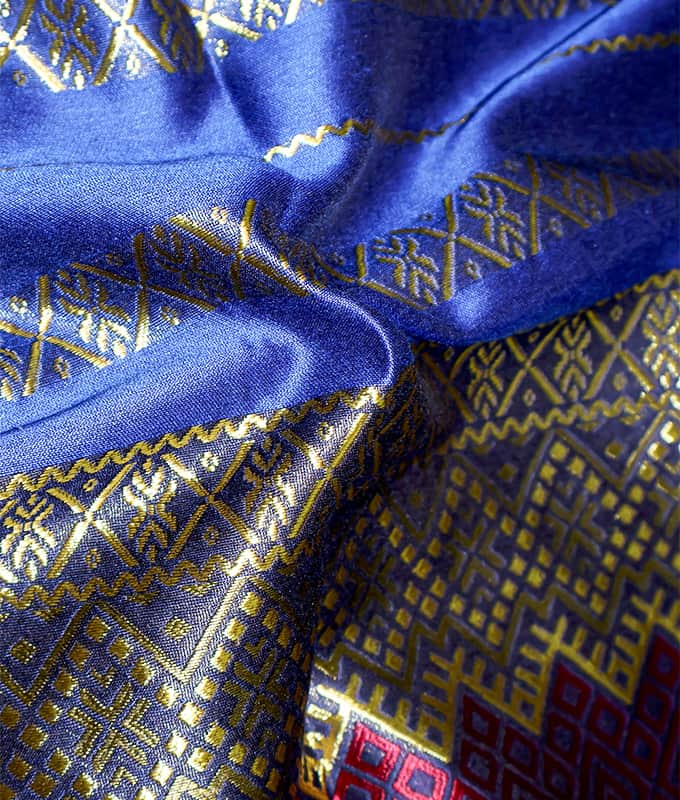
-
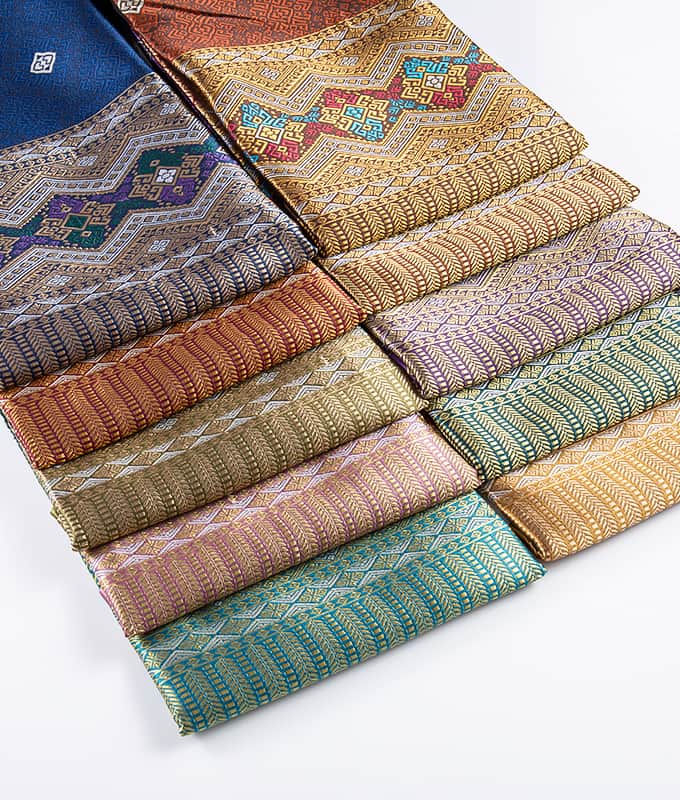
De polyesterstof voor traditionele Zuidoost-Aziatische sarongrokken combineert erfgoed en moderniteit. Geworteld in culturele tradities, blaast dez...
See Details -
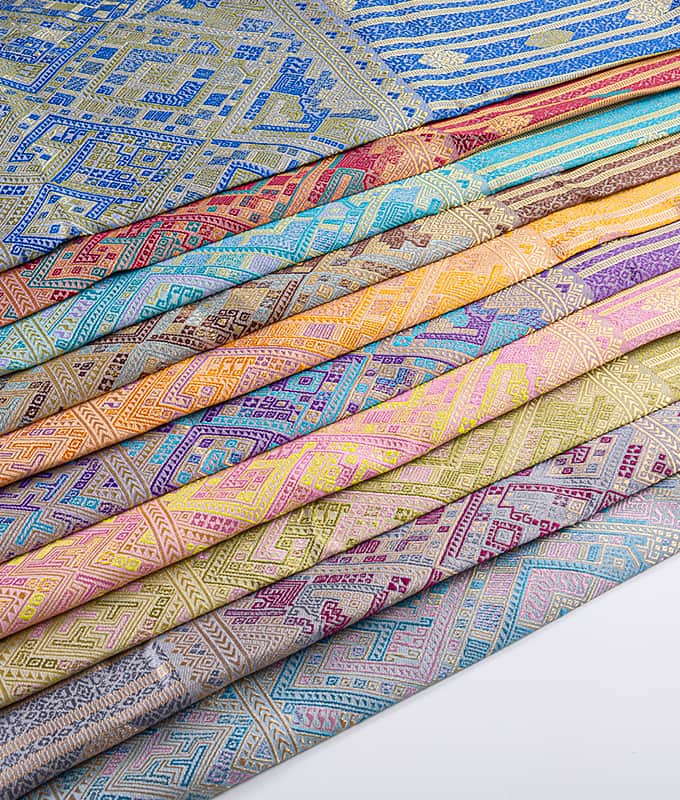
Holle polyester jacquardstof voor Laotiaanse traditionele sarong - een perfecte mix van Laotiaans cultureel erfgoed en moderne vezelinnovatie. Met ...
See Details -
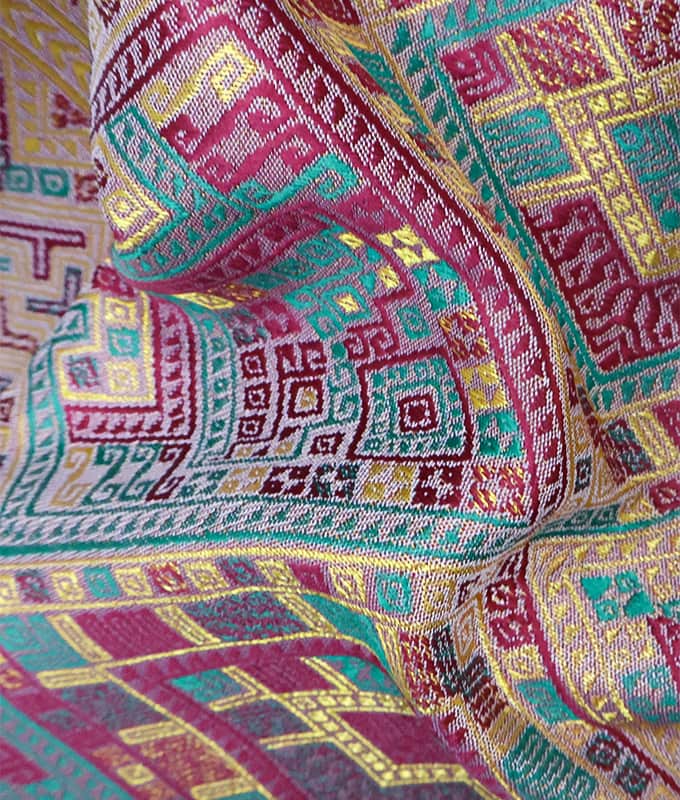
Zijdeachtige polyester jacquardstof voor Thaise Pha Sinh Sarong - combineert de elegantie van zijdeachtige textuur met uiterst nauwkeurig jacquardv...
See Details -
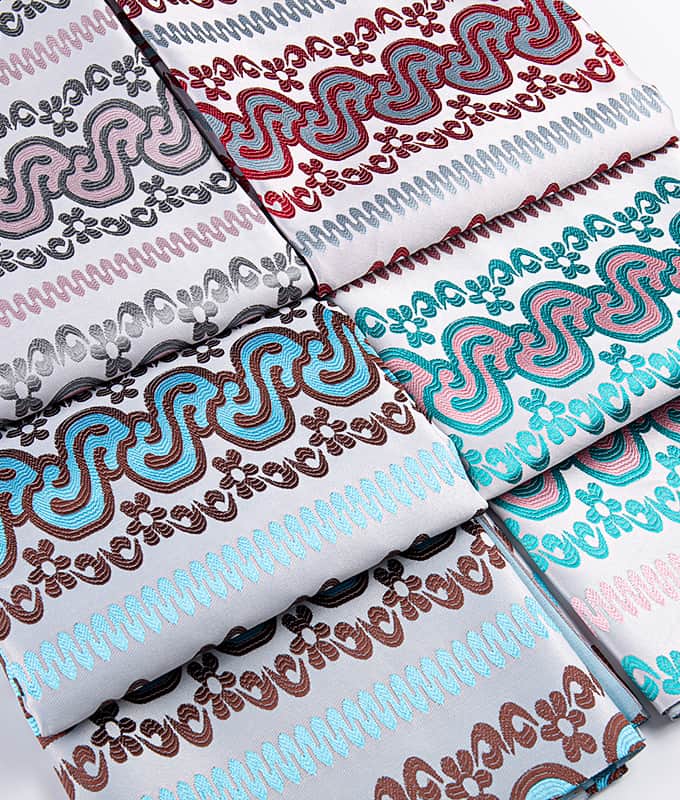
De S-vormige 3D-getextureerde polyester jacquardstof voor sarong combineert elegantie met duurzaamheid. Het is vervaardigd met geavanceerde elektro...
See Details -
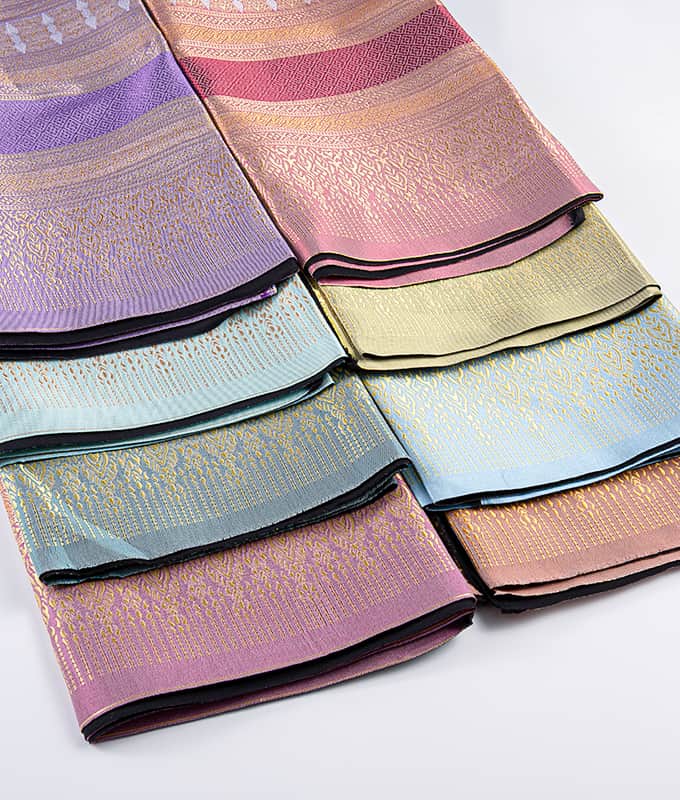
De polyesterstof voor populaire traditionele Thaise sarongs is gemaakt van zorgvuldig geselecteerde polyesterfilamenten, met strikte kwaliteitscont...
See Details

